
General Surgery in Poland
Umbilical Hernia Surgery in Poland
MedTrip Poland helps patients from Ireland access private surgical consultations and selected general surgery procedures through trusted clinic partners in Poland. One of the procedures available through our partner clinics is umbilical hernia repair.
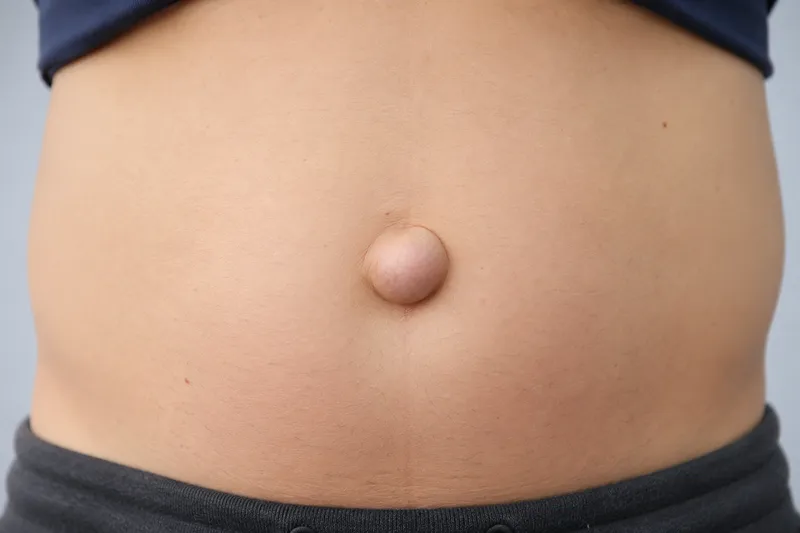
An umbilical hernia occurs when tissue or part of the abdominal contents pushes through a weakened area around the navel. In adults, it may appear as a visible bulge near the belly button and can sometimes cause discomfort, pressure or pain.
Treatment is planned individually after consultation with a specialist surgeon. Depending on the case, the procedure may be performed using an open surgical technique or a laparoscopic method.
Anaesthesia
Usually general anaesthesia, depending on the case and surgeon’s recommendation.
Procedure Time
Often around 60–90 minutes, depending on the technique and complexity.
Recovery
Recovery time varies, but many patients require several weeks before returning to full activity.
What is an Umbilical Hernia?
An umbilical hernia is a condition where tissue pushes through a weak point in the abdominal wall near the navel. It may be small and painless at first, but in some cases it can increase in size or become uncomfortable over time.
In adults, umbilical hernias may be associated with factors that increase pressure inside the abdomen, such as pregnancy, previous abdominal surgery, being overweight, heavy lifting or repeated physical strain.

Common Symptoms
Symptoms can vary from person to person. Some patients notice only a small bulge, while others experience discomfort or pain, especially when coughing, lifting or standing for longer periods.
- Visible bulge around the belly button
- Discomfort or pressure near the navel
- Pain that may worsen with activity
- Feeling of pulling or tightness in the abdominal area
- Bulge becoming more noticeable when standing, coughing or straining
When to seek medical advice
Medical assessment is important if the hernia becomes painful, increases in size or causes ongoing discomfort. Urgent advice should be sought if the bulge becomes hard, very painful, cannot be pushed back, or is associated with nausea, vomiting or fever.
How is Umbilical Hernia Surgery Performed?
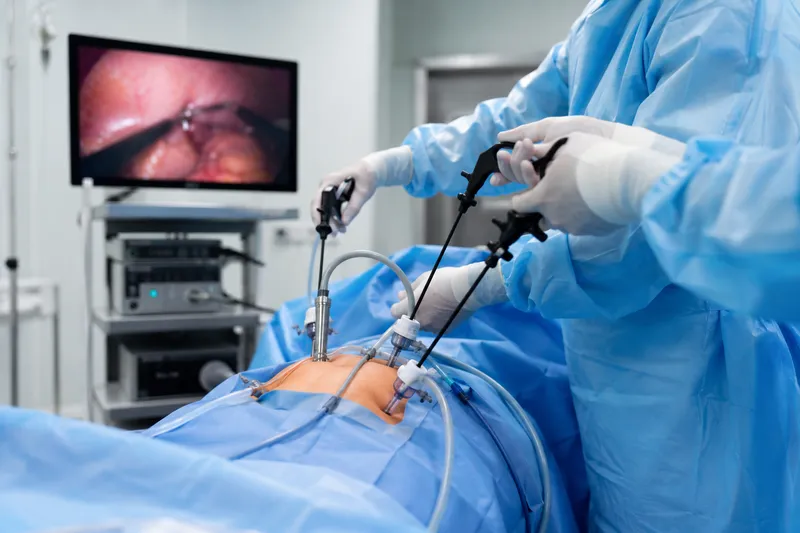
Umbilical hernia repair involves returning the protruding tissue to its correct position and strengthening the weakened area of the abdominal wall. In many cases, the surgeon may use a surgical mesh to reduce the risk of recurrence.
The operation may be carried out using a traditional open method or, where appropriate, a laparoscopic technique. The final decision depends on the size of the hernia, symptoms, previous surgeries, general health and the surgeon’s assessment.
Open Surgery
In open surgery, the surgeon makes an incision near the hernia, repairs the weakened area and closes the abdominal wall. This method may be recommended in some larger or more complex cases.
It is a well-established technique and may be suitable when the surgeon decides that direct access gives the safest and most effective result.
Laparoscopic Surgery
Laparoscopic umbilical hernia repair is a minimally invasive technique performed through small incisions using a camera and specialist surgical instruments.
In suitable patients, this method may be associated with smaller incisions, reduced post-operative discomfort, less visible scarring and a quicker return to everyday activities compared with traditional open surgery.
Suitability for the laparoscopic method is always confirmed by the surgeon after medical assessment.
Potential Advantages of Laparoscopic Hernia Repair
Smaller incisions
Several small incisions are usually used instead of one larger cut.
Less visible scarring
Smaller entry points may result in a more discreet cosmetic outcome.
Reduced discomfort
Some patients experience less post-operative pain than with open surgery.
Faster mobility
Many patients can return to light daily activities sooner, depending on medical advice.
Recovery After Surgery
Recovery after umbilical hernia surgery depends on the surgical method, the size of the hernia and the patient’s general health. Your clinic will provide clear post-operative instructions before discharge.
- Keep the wound clean and dry as advised.
- Avoid heavy lifting until your surgeon confirms it is safe.
- Return to light movement gradually.
- Attend follow-up appointments.
- Report any worrying symptoms promptly.
Possible Risks
As with any surgery, hernia repair may involve risks. These can include infection, bleeding, pain, reaction to anaesthesia, fluid collection, scarring or recurrence of the hernia.
Your surgeon will explain the risks, benefits and alternatives before the procedure so that you can make an informed decision.
Why Consider Umbilical Hernia Surgery in Poland?
Through trusted clinic partnerships, MedTrip Poland helps patients living in Ireland access experienced surgeons, modern private hospitals and transparent treatment pathways.
Depending on individual circumstances, patients may benefit from short waiting times, English-speaking medical support, comprehensive treatment planning and competitive pricing compared with many private healthcare providers.
Every treatment plan begins with a consultation, where the surgeon assesses your symptoms, reviews your medical history and discusses the most appropriate surgical approach for your individual case.
Would you like to ask about Umbilical Hernia Surgery in Poland?
Our team will be happy to explain the treatment pathway, answer your questions and help you arrange a consultation with one of our trusted clinic partners.
contact@medtrippoland.ie

