
Septoplasty in Poland
Septoplasty Through Trusted Clinic Partners in Poland
MedTrip Poland helps patients from Ireland access septoplasty consultations and selected ENT procedures through trusted private clinic partners in Poland.
Septoplasty is a surgical procedure used to correct a deviated nasal septum. It may be considered when nasal obstruction, breathing difficulties, recurrent sinus problems or sleep-related breathing issues affect everyday comfort and quality of life.

Typical patient pathway
- Initial enquiry and medical information review
- ENT consultation with a specialist
- Review of symptoms and nasal obstruction
- Individual treatment plan and quote
- Procedure and post-operative guidance
When may septoplasty be recommended?
A deviated nasal septum can make breathing through the nose more difficult and may contribute to recurring discomfort, blocked nose, sinus problems, snoring or reduced sleep quality.
The final decision about treatment is always made by the ENT specialist after consultation, medical assessment and review of the patient’s symptoms.
Difficulty Breathing Through the Nose
A deviated septum may narrow the nasal airway and make everyday breathing less comfortable, especially during sleep, exercise or when lying down.
Recurrent Sinus Problems
In selected cases, poor airflow and nasal blockage may contribute to recurring sinus discomfort, congestion or repeated upper respiratory symptoms.
Snoring & Sleep-Related Breathing Problems
Nasal obstruction may contribute to snoring or reduced sleep quality. ENT assessment can help determine whether septoplasty may be suitable in an individual case.
Nasal Obstruction After Injury
Previous nasal trauma may affect the shape of the septum and cause long-term airflow restriction, blocked nose or breathing discomfort.
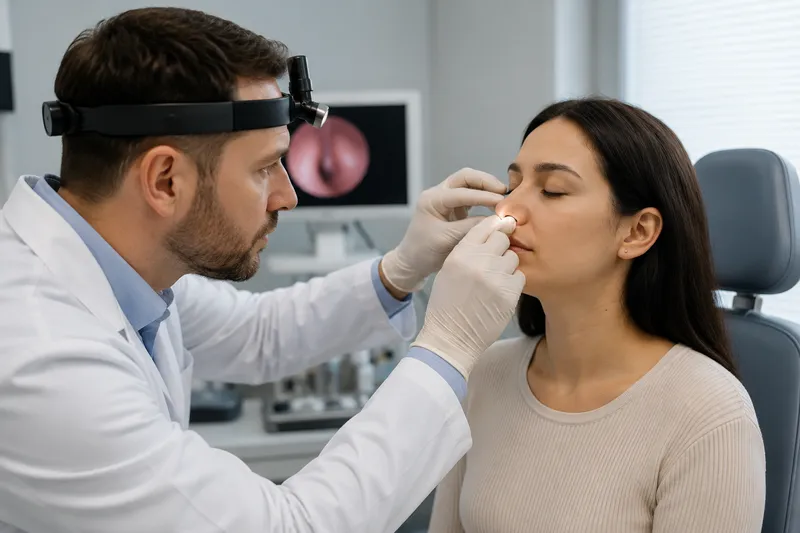
About the procedure
How does septoplasty work?
Septoplasty is usually performed through the inside of the nose, so visible external scarring is typically avoided. The ENT surgeon corrects the deviated part of the septum to improve nasal airflow and support easier breathing.
The procedure may be performed under general anaesthetic, depending on the patient’s condition, the surgeon’s recommendation and the clinic’s medical protocol.
Potential benefits
Benefits of septoplasty may include
For suitable patients, septoplasty may improve nasal airflow and reduce symptoms linked with nasal obstruction. The expected outcome depends on the individual diagnosis and medical assessment.

Easier Nasal Breathing
Improved airflow through the nose may make everyday breathing more comfortable.
Better Sleep Quality
Reduced nasal blockage may help improve sleep comfort in selected patients.
Fewer Sinus Problems
Improved nasal airflow may support better sinus drainage in suitable cases.
Improved Everyday Comfort
Better nasal breathing may support daily activities, exercise and overall comfort.
Reduced Nasal Obstruction
Correction of a deviated septum may help reduce persistent blockage in selected patients.
Improved Airflow
Restoring a clearer nasal passage may improve airflow and breathing efficiency.
Recovery
Recovery after septoplasty
Recovery varies between patients and depends on the individual procedure. Mild swelling, congestion or temporary discomfort may occur during the first days after surgery.
Patients usually receive detailed post-operative instructions, including advice regarding physical activity, nasal care and follow-up appointments. Following these recommendations may help support the healing process.

Possible risks and complications
Every surgical procedure carries potential risks. These may include bleeding, infection, swelling, temporary nasal congestion or other procedure-related complications.
During your consultation, the ENT specialist will explain the expected benefits, possible risks and whether septoplasty is appropriate for your individual condition.
Would you like to ask about septoplasty in Poland?
Contact MedTrip Poland and we will help you explore consultations, diagnostic options and septoplasty through our trusted clinic partners in Poland.
contact@medtrippoland.ie

