
Varicose Vein Treatment in Poland
Foam Sclerotherapy for Varicose Veins Through Trusted Clinic Partners
MedTrip Poland helps patients from Ireland access private vascular surgery consultations and selected varicose vein treatments through trusted clinic partners in Poland.
Foam sclerotherapy is a minimally invasive treatment used in selected cases of varicose veins and venous insufficiency. It may be considered for patients experiencing visible varicose veins, leg heaviness, swelling, discomfort or symptoms linked with poor venous circulation.

Typical patient pathway
- Initial enquiry and medical information review
- Vascular consultation with Doppler ultrasound
- Assessment of vein condition and treatment options
- Individual treatment plan and quote
- Procedure and post-treatment guidance
What is foam sclerotherapy?
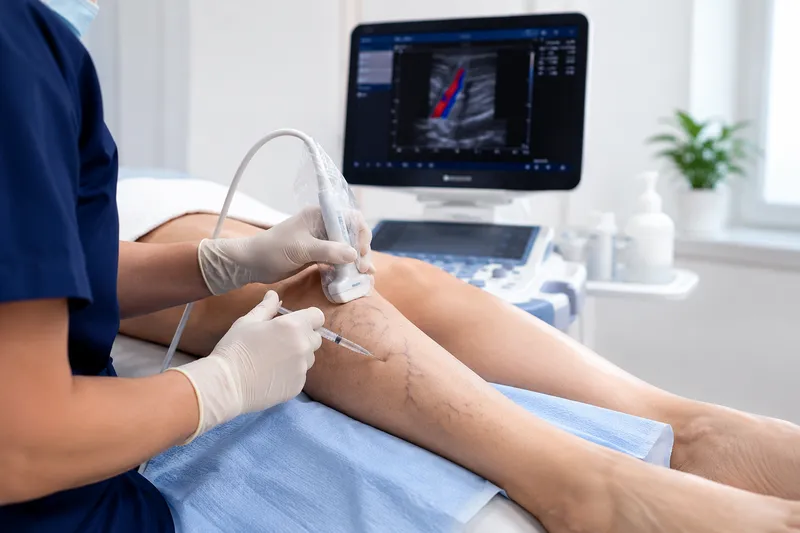
Foam sclerotherapy involves injecting a specially prepared sclerosing agent into the affected vein. The foam irritates the inner lining of the vein, causing it to close. Over time, blood is redirected through healthier veins and the treated vessel gradually becomes less visible.
In many cases, the procedure is performed under ultrasound guidance, allowing the vascular specialist to precisely target the affected vein and monitor the treatment.
About the procedure
How does the treatment work?
Before treatment, patients usually undergo a vascular assessment, often including a Doppler ultrasound scan. This helps the specialist understand the affected veins, blood flow and whether foam sclerotherapy is suitable.
During the procedure, the specialist introduces the foam into the selected vein using a fine needle or catheter. Compression is then applied, usually with a bandage or compression stocking.
Potential Benefits
Benefits of foam sclerotherapy may include
For suitable patients, foam sclerotherapy may improve symptoms associated with varicose veins while also enhancing the appearance of the legs. The expected outcome depends on the severity of venous disease, individual anatomy and the treatment plan recommended by the vascular specialist.

Minimally Invasive Treatment
Foam sclerotherapy is performed without traditional surgery and usually does not require large incisions.
Short Procedure Time
In many cases the treatment is completed within a relatively short outpatient appointment, depending on the number of veins treated.
Improved Leg Comfort
Selected patients may notice improvement in symptoms such as heaviness, aching or swelling following successful treatment.
Improved Cosmetic Appearance
As treated veins gradually close and fade, the appearance of visible varicose veins may improve over time.
Ultrasound Guided Precision
Ultrasound guidance allows the vascular specialist to accurately identify and treat affected veins in selected cases.
Return to Daily Activities
Many patients are able to resume normal daily activities shortly after treatment, following the advice provided by their treating specialist.
Recovery
Recovery after foam sclerotherapy
Recovery varies between patients. Most people are encouraged to walk after the procedure and wear compression stockings for the period recommended by their vascular specialist.
Temporary bruising, tenderness or mild swelling may occur while the treated veins gradually heal. The treating specialist will explain individual aftercare instructions and expected recovery.

Who may be suitable for foam sclerotherapy?
Foam sclerotherapy may be suitable for selected patients with symptomatic varicose veins, recurrent varicose veins, reticular veins or certain forms of venous insufficiency. Suitability is always confirmed during consultation with a vascular specialist.
Before recommending treatment, the specialist usually performs a clinical examination together with a Doppler ultrasound assessment to evaluate blood flow and determine the most appropriate treatment option.
Visible Varicose Veins
Enlarged or twisted veins may be assessed to determine whether foam sclerotherapy or another vascular treatment would be more appropriate.
Leg Heaviness or Aching
Some patients experience heaviness, aching or tired legs caused by chronic venous disease.
Swelling or Discomfort
Swelling, discomfort or recurrent symptoms may indicate underlying venous insufficiency requiring specialist assessment.
Recurrent Varicose Veins
Foam sclerotherapy may also be considered in selected patients who previously underwent varicose vein treatment but developed recurrent veins.

After Treatment
What happens after the procedure?
Most patients are encouraged to walk immediately after treatment and wear compression stockings for the period recommended by their vascular specialist.
Follow-up appointments may be recommended to assess healing and, if necessary, discuss whether any additional treatment sessions would be beneficial.
Possible risks and complications
Every medical procedure carries potential risks. These may include bruising, tenderness, temporary swelling, skin staining, inflammation, allergic reaction, small blood clots or recurrence of visible veins.
During your consultation, the vascular specialist will explain the expected benefits, possible risks and whether foam sclerotherapy is appropriate for your individual condition.
Common Questions
Foam Sclerotherapy FAQ
Is foam sclerotherapy suitable for all varicose veins?
Not always. Suitability depends on the size, location and function of the affected veins. A vascular consultation and Doppler ultrasound are usually needed before treatment.
Will I need more than one session?
Some patients may need more than one treatment session, depending on the number of veins treated and the response to the first procedure.
Can I walk after the procedure?
Walking is commonly recommended after treatment, unless your specialist gives different individual instructions.
When will I see the results?
Treated veins usually fade gradually over time. The final result depends on the individual case, vein size and healing process.
Would you like to ask about varicose vein treatment in Poland?
Contact MedTrip Poland and we will help you explore vascular consultation, Doppler ultrasound assessment and selected treatment options in Poland.
contact@medtrippoland.ie

