Knee Orthopaedics in Poland

Knee Treatment in Poland for patients from Ireland

Waiting for a knee consultation, scan or operation through the HSE in Ireland? Patients can access specialist knee assessment and private treatment in Poland, including arthroscopy, ligament and meniscus procedures, cartilage treatment, osteotomy and knee replacement.

Check Knee Treatment Options
Private knee treatment in Poland with help arranging consultations, surgery and HSE documentation.
Knee orthopaedic consultation in Poland for a patient from Ireland
Waiting in Ireland?

You may have another option

HSE waiting times for an orthopaedic appointment, diagnostic imaging or knee surgery can vary according to clinical priority, hospital capacity and the procedure required. If the wait is affecting your mobility, work or everyday life, private assessment and treatment in Poland may offer an alternative route.

Pain and locking

Meniscus Injuries

A torn or damaged meniscus may cause joint-line pain, swelling, catching or locking. Depending on the tear, treatment may include rehabilitation, meniscal repair or another arthroscopic procedure.

Instability

Ligament Injuries

ACL and other ligament injuries can make the knee feel unstable or give way. The recommended treatment depends on the structures involved, activity level, symptoms and examination findings.

Degeneration

Knee Arthritis

Osteoarthritis can cause persistent pain, stiffness and reduced mobility. Selected patients may be considered for joint-preserving surgery, partial knee replacement or total knee replacement.

Knee treatment in Poland may be eligible for HSE reimbursement

Under the EU Cross Border Directive, eligible patients living in Ireland may receive healthcare in another EU country and apply to the HSE for reimbursement. The amount depends on the exact consultation or treatment provided, the applicable HSE classification and the patient's individual eligibility.

01
Get the correct referral

Make sure the applicable Irish referral requirements are met before starting the treatment pathway in Poland.

02
Orthopaedic assessment

A knee specialist assesses the symptoms, examines the joint, reviews available imaging and recommends the appropriate treatment pathway.

03
Treatment & HSE claim

After eligible treatment in Poland, the required medical and payment documentation can be submitted to the HSE.

*HSE reimbursement is assessed individually and depends on eligibility, the treatment actually provided and the applicable reimbursement rules. Reimbursement is not guaranteed. Patients considering day-case or inpatient surgery may also wish to apply for HSE Prior Notification before treatment.

Looking for knee treatment in Poland?

Tell us about your knee symptoms, diagnosis, MRI or X-ray results, or any operation you have been advised to consider. We can help you explore specialist consultations, treatment options in Poland and the practical steps involved in the HSE Cross Border Directive.

Submitting this form does not create an obligation to proceed. Any treatment recommendations or decisions regarding medical suitability are made by the treating clinician following an individual medical assessment.

Common knee problems

Specialist treatment for knee pain and instability

Knee conditions can affect walking, work, sport and everyday independence. Some problems improve with rehabilitation or injections, while others may require surgery when pain, instability or mechanical symptoms continue.

Meniscus

Pain, catching or locking

A meniscus injury may follow a twist or develop gradually. Symptoms can include pain along the joint line, swelling, catching or a knee that locks. Repair may be possible in selected tears, while other cases need a different approach.

Ligaments and kneecap

Instability or giving way

Damage to the ACL or other stabilising structures can make the knee give way. Repeated kneecap dislocation may also require specialist assessment, rehabilitation or reconstructive treatment such as MPFL reconstruction in appropriate cases.

Cartilage and arthritis

Pain, stiffness and swelling

Cartilage damage and osteoarthritis can cause persistent pain, stiffness and reduced movement. Treatment is based on the location and extent of damage, the alignment of the leg, age, activity level and the condition of the remaining joint.

Individual knee assessment

The right treatment depends on your individual knee

Knee treatment cannot be selected from symptoms or an MRI report alone. The specialist considers the clinical examination, stability, movement, limb alignment, imaging and your personal goals before recommending a plan.

Clinical examination The specialist checks movement, swelling, tenderness, stability and knee mechanics.
Imaging review X-rays, MRI or ultrasound may be requested depending on the suspected condition and previous results.
Treatment options The plan may include rehabilitation, injection treatment, arthroscopy, reconstruction or joint replacement.
Recovery plan Your surgeon explains weight-bearing, rehabilitation, follow-up and when it is appropriate to travel.

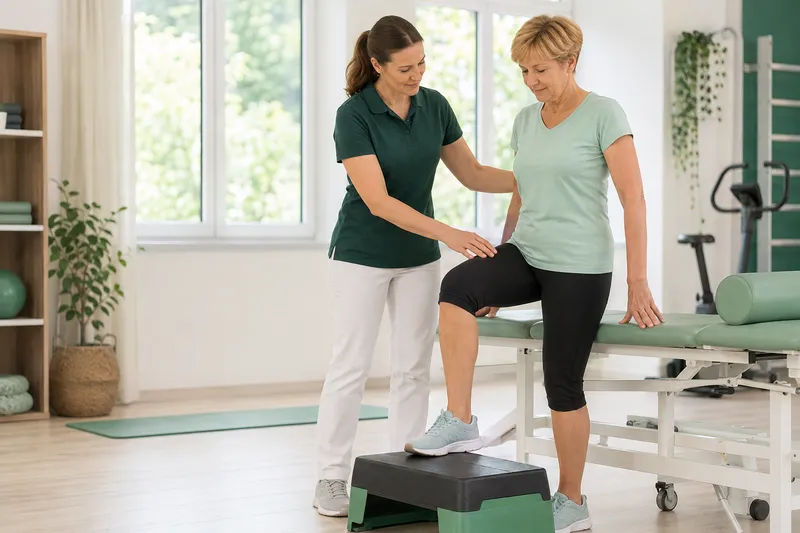
Knee orthopaedic specialist discussing treatment with a patient in Poland
Surgical options

Which knee procedures may be considered?

When non-surgical treatment does not provide sufficient improvement, an operation may be considered to reduce symptoms, restore stability or improve function.

The appropriate procedure depends on the diagnosis, structures involved, extent of joint damage, alignment, age, activity level and personal treatment goals.

Arthroscopy and meniscus treatment Keyhole procedures may be used for selected meniscus, cartilage or other problems inside the joint.
Ligament and MPFL reconstruction Reconstruction may be considered for symptomatic ACL instability or recurrent kneecap instability in selected patients.
Cartilage reconstruction and osteotomy Selected local cartilage defects or abnormal limb alignment may be treated with joint-preserving procedures.
Partial or total knee replacement For advanced arthritis, the specialist may recommend replacement of the affected compartment or the whole knee joint.
Rehabilitation and recovery after knee surgery
After knee surgery

Recovery depends on the procedure performed

Recovery after knee surgery varies considerably. Some arthroscopic procedures may allow relatively early mobilisation, while ligament reconstruction, osteotomy or knee replacement follows a longer, structured rehabilitation plan.

Your surgeon will provide individual instructions regarding weight-bearing, wound care, medication, physiotherapy, follow-up and when it is appropriate to travel.

Weight-bearing Walking instructions and the possible use of crutches or a brace depend on the procedure performed.
Physiotherapy Rehabilitation is often important for restoring movement, strength, control and confidence in the knee.
Follow-up Post-operative review and any wound or imaging checks are arranged according to the surgeon's plan.
Return to Ireland The timing of travel and measures to reduce travel-related risks should be agreed with the treating team.
Treatment from Ireland

Waiting in Ireland? Explore treatment in Poland

Patients facing a long wait for orthopaedic assessment, knee imaging or surgery in Ireland may choose to arrange private treatment in Poland. If HSE reimbursement is important to you, the Cross Border Directive requirements should be checked before starting the treatment pathway.

01

Referral

Make sure you have the appropriate Irish referral if you intend to apply for HSE reimbursement.

02

Specialist consultation

A knee specialist reviews your symptoms, clinical findings and imaging and recommends treatment.

03

Surgery in Poland

If surgery is recommended, the procedure and timing are agreed with the clinic and treating surgeon.

04

HSE reimbursement

After eligible treatment, the relevant medical and payment documentation can be submitted to the HSE.

Planning inpatient or day-case surgery? HSE Prior Notification may be useful before travelling, as it can help clarify eligibility and provide an indication of potential reimbursement. The final decision and amount remain with the HSE.
Frequently asked questions

Knee treatment in Poland for patients from Ireland

Can I arrange knee treatment in Poland if I live in Ireland?

Yes. Patients living in Ireland can arrange private knee consultation, diagnostics and treatment in Poland. The specialist must first confirm the diagnosis and whether surgery or another form of treatment is appropriate.

Can the HSE reimburse knee treatment performed in Poland?

Eligible treatment may qualify under the EU Cross Border Directive. Reimbursement depends on the treatment actually provided, HSE eligibility and the applicable reimbursement classification.

Do I need a GP referral?

If you plan to apply for HSE reimbursement, make sure you meet the relevant Irish referral requirements before beginning the treatment pathway in Poland.

Do I need an MRI before contacting MedTrip Poland?

Not always. If you already have MRI images, an X-ray, reports or specialist letters, they can help with an initial review. The Polish specialist will advise whether additional or more recent imaging is required.

Does every ACL or meniscus injury require surgery?

No. Some injuries can be managed with rehabilitation, depending on stability, symptoms, activity level and the type of damage. Surgery is recommended only after an individual orthopaedic assessment.

How soon can I return to Ireland after knee surgery?

This depends on the operation, mobility, clot risk and the surgeon's instructions. Travel should be planned only after the treating team confirms that it is appropriate.

Waiting for knee treatment or surgery in Ireland?

Tell us about your knee symptoms, diagnosis, imaging or treatment recommendation. We can help you explore specialist knee options in Poland, available consultations and the practical steps involved in the HSE Cross Border Directive.

Ask About Knee Treatment
Scroll to Top
Get Help WhatsApp