Minimally invasive surgery

Private Laparoscopic surgery in Poland

A modern surgical approach using small incisions, specialised instruments and a camera to diagnose or treat conditions inside the abdomen and pelvis.

Patient discussing laparoscopic surgery with a specialist in Poland
Personalised care Guidance before, during and after treatment
Treatment Private surgical care in Poland
Approach Small incisions and camera-guided surgery
Support Help throughout your treatment journey
Understanding the method

What does laparoscopic surgery mean?

Laparoscopy is commonly known as keyhole surgery or minimally invasive surgery.

01

The surgeon works through small access points

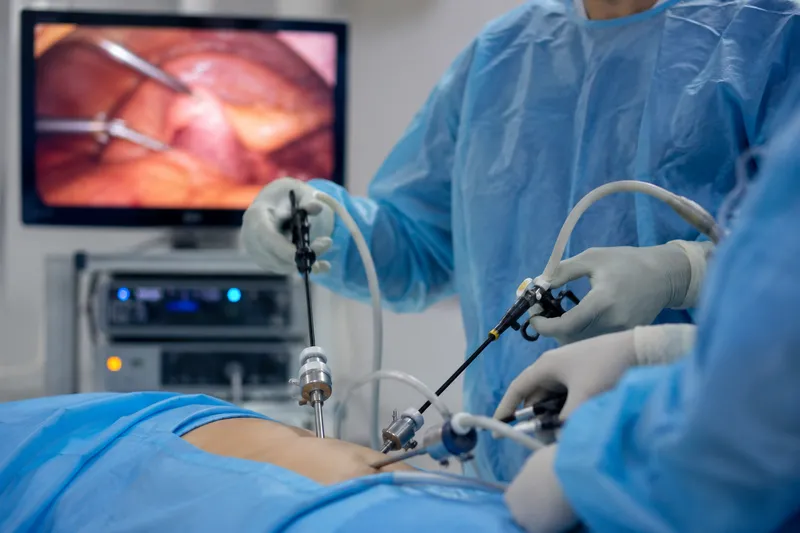
Instead of making one large abdominal incision, the surgeon normally creates several small openings. Hollow access tubes, known as ports, allow a camera and surgical instruments to be introduced into the abdomen.

02

A laparoscope provides a detailed internal view

A laparoscope is a slender instrument fitted with a camera and light. It transmits an enlarged image to monitors in the operating theatre, helping the surgical team view the organs and surrounding structures.

03

The method can be diagnostic or therapeutic

Laparoscopy may be used to investigate symptoms, take a biopsy or perform an operation. The exact technique depends on the condition, planned procedure and individual clinical assessment.

04

Every case requires an individual decision

Laparoscopic surgery is not automatically suitable for every patient or condition. A surgeon must assess the expected benefits, technical complexity, previous operations and possible risks before recommending an approach.

Possible advantages

Designed to reduce the impact of surgical access

Compared with an open approach, minimally invasive surgery may offer important recovery benefits for appropriately selected patients. The result depends on the type and complexity of the operation.

01

Smaller incisions

Laparoscopic instruments are inserted through small openings rather than one long surgical incision.

02

Less visible scarring

Small access wounds may leave less noticeable scars after they have fully healed.

03

Potentially less pain

Reduced disruption of the abdominal wall may result in less postoperative discomfort for some patients.

04

Earlier mobilisation

Depending on the operation, patients may be encouraged to stand and walk relatively soon after surgery.

05

Shorter hospital stay

Some laparoscopic procedures can involve a shorter admission than the equivalent open operation.

06

Quicker return to routine

Recovery may be faster, although the timeframe differs greatly between minor and major procedures.

Modern operating theatre equipped for laparoscopic surgery
Inside the operating theatre

How is laparoscopic surgery performed?

Most operative laparoscopies are carried out under general anaesthesia. Once the patient is asleep, the surgeon makes a small incision, often close to the navel, and creates working space inside the abdomen.

Carbon dioxide gas is commonly introduced to gently expand the abdominal cavity. The laparoscope is then inserted, allowing the surgeon to see the operating area on a high-definition screen.

Additional instruments are passed through other small incisions. When the planned procedure is complete, the instruments are removed, the gas is released and the incisions are closed.

  • Preoperative clinical and anaesthetic assessment
  • General anaesthesia for most operative procedures
  • Camera-guided view of the abdomen or pelvis
  • Specialised instruments introduced through small ports
  • Individual discharge and recovery instructions
Possible treatments

Which operations may be performed laparoscopically?

Laparoscopic techniques are used across general surgery, gynaecology, urology, bariatric surgery and selected colorectal procedures. Availability and suitability depend on the diagnosis, surgeon and hospital.

01

Gallbladder removal

Laparoscopic cholecystectomy may be offered for symptomatic gallstones and certain other gallbladder conditions.

02

Hernia repair

Selected inguinal, femoral, umbilical, incisional or hiatal hernias may be suitable for a minimally invasive repair.

03

Appendix removal

A laparoscopic appendectomy removes the appendix through small abdominal incisions.

04

Anti-reflux surgery

Certain procedures for severe gastro-oesophageal reflux or hiatus hernia may be performed laparoscopically.

05

Bariatric surgery

Sleeve gastrectomy, gastric bypass and other weight-loss operations are commonly performed using minimally invasive techniques where clinically suitable.

06

Endometriosis treatment

Laparoscopy can help diagnose endometriosis and may allow visible lesions or adhesions to be treated during surgery.

07

Ovarian and uterine procedures

Selected ovarian cyst removal, myomectomy and hysterectomy procedures may use a laparoscopic approach.

08

Colorectal surgery

Some operations involving the colon or rectum may be performed laparoscopically by an appropriately experienced team.

09

Selected urological surgery

Certain kidney, adrenal and other urological operations may be suitable for minimally invasive surgery.

10

Diagnostic laparoscopy

A surgeon may directly inspect the abdomen or pelvis, collect tissue samples and, in some cases, treat a problem during the same procedure.

Before and after treatment

Preparation and recovery are personal

Before treatment, the hospital may request consultation notes, imaging, blood tests, a list of medicines and details of previous surgery. Patients should follow the hospital's instructions about eating, drinking and medication.

The recovery period varies considerably. A short diagnostic procedure is different from major bowel, bariatric or gynaecological surgery. Some patients leave hospital on the same day, while others require one or more nights of observation.

Mild wound discomfort, tiredness, bloating or temporary shoulder-tip pain can occur after laparoscopy. The treating team should explain wound care, activity, lifting, driving, travel and follow-up before discharge.

  • Bring complete and accurate medical information
  • Follow fasting and medication instructions precisely
  • Plan enough time in Poland for review before travelling
  • Arrange practical help during early recovery
  • Seek urgent advice if warning symptoms develop

Patient receiving guidance before laparoscopic treatment in Poland
Your treatment journey

Clear guidance from the first enquiry

MedTrip Poland helps international patients organise private consultations and eligible laparoscopic procedures with medical providers in Poland.

01

Initial enquiry

Tell us what treatment you are considering and share the available medical information.

02

Clinical review

The relevant medical provider reviews your case and may request further test results, imaging or a specialist consultation.

03

Treatment proposal

You receive information about the proposed procedure, estimated costs, hospital stay and possible treatment dates.

04

Travel and admission

MedTrip Poland helps coordinate practical arrangements and communication connected with your treatment in Poland.

05

Discharge and follow-up

The hospital provides postoperative instructions and explains the recommended recovery and follow-up plan.

Clinical assessment matters

Is laparoscopic surgery suitable for everyone?

No. A minimally invasive approach can offer meaningful benefits, but it is not automatically the safest or most appropriate choice for every patient or every operation.

The surgeon may consider your diagnosis, the severity of the condition, previous abdominal operations, general health, anaesthetic risk and the technical complexity of the planned procedure.

In some situations, open surgery may be recommended from the beginning. In other cases, a planned laparoscopic operation may need to be converted to open surgery if the surgeon decides that this is the safer option.

This page provides general educational information. It does not replace an individual consultation, diagnosis or treatment recommendation from a qualified medical professional.
Personal support

You do not have to organise the process alone

MedTrip Poland helps international patients understand the practical steps involved in arranging private laparoscopic treatment in Poland. Medical decisions remain between the patient and the treating medical team.

  • Provider communication
  • Appointment coordination
  • Medical-document guidance
  • Treatment information
  • Travel-planning support
  • Accommodation guidance
  • English-language assistance
  • Post-treatment communication
Common questions

Laparoscopic surgery FAQ

The answer to any medical question ultimately depends on the planned procedure and your individual clinical assessment.

Is laparoscopy the same as keyhole surgery?

Laparoscopy is a form of keyhole or minimally invasive surgery used within the abdomen or pelvis. A camera and specialised instruments are introduced through small incisions.

Is laparoscopic surgery always better than open surgery?

No. The most appropriate approach depends on the diagnosis, complexity of the operation, previous surgery, overall health and the surgeon’s assessment. Open surgery may be safer in some cases.

Will I be awake during the operation?

Most operative laparoscopic procedures are performed under general anaesthesia. The anaesthetist will explain the planned anaesthetic and its potential risks before treatment.

How long will I need to stay in hospital?

The length of admission depends on the procedure and your recovery. Some patients leave hospital on the same day, while more extensive operations may require several nights of observation.

How quickly can I return to work?

There is no single recovery period for all laparoscopic operations. The type of procedure, your occupation, general health and healing progress must all be considered.

Why can shoulder pain occur after laparoscopy?

Carbon dioxide used to create working space inside the abdomen can temporarily irritate the diaphragm and cause referred discomfort near the shoulder. Your medical team should explain how to manage expected postoperative symptoms.

When should I seek urgent medical advice?

Follow the discharge instructions provided by your hospital. Urgent medical assessment may be required for severe or worsening pain, breathing difficulties, persistent vomiting, heavy bleeding, fever, fainting, increasing wound redness or other concerning symptoms.

Can MedTrip Poland decide whether I qualify for surgery?

No. MedTrip Poland can support the organisational process, but only a qualified medical professional can assess your condition, recommend treatment and confirm whether surgery is suitable.

What information should I provide before travelling?

The medical provider may request consultation letters, imaging, laboratory results, information about previous operations, current medication, allergies and relevant medical conditions. Requirements vary depending on the procedure.

Medical references

Further information and clinical resources

This article uses patient information and professional resources from recognised healthcare, academic and surgical organisations.

MedTrip Poland

Considering laparoscopic treatment in Poland?

Share your available medical information and tell us which treatment you are considering. We will explain the organisational process and help you contact an appropriate medical provider.

Contact our team
Scroll to Top
Get Help WhatsApp