
Sleep Apnoea Treatment for Patients from Ireland
Obstructive Sleep Apnoea Assessment & CPAP Treatment Support
MedTrip Poland helps patients from Ireland access private specialist consultations, diagnostic support and treatment pathways for obstructive sleep apnoea through selected private clinic in Poland.
Obstructive Sleep Apnoea, also known as OSA, is a sleep-related breathing disorder where breathing repeatedly becomes shallow or stops for short periods during sleep due to narrowing or blockage of the upper airway.
These breathing pauses can disturb sleep quality, reduce oxygen levels and lead to symptoms such as snoring, daytime tiredness, morning headaches, poor concentration and non-restorative sleep.
Ask About Sleep Apnoea Assessment
Typical patient pathway
- Initial enquiry and symptom review
- Private consultation with a specialist
- Assessment of sleep-related breathing symptoms
- Sleep study review or diagnostic planning
- CPAP mask fitting and treatment guidance if appropriate
- Follow-up and therapy adjustment support
What is obstructive sleep apnoea?
Obstructive Sleep Apnoea occurs when the upper airway repeatedly narrows or collapses during sleep. This can lead to episodes of reduced airflow, known as hypopnoea, or temporary pauses in breathing, known as apnoea.
These episodes often cause brief awakenings that the patient may not remember. As a result, sleep becomes fragmented, and even after a full night in bed, the person may wake up tired, unrefreshed or with a headache.
A specialist assessment can help determine whether symptoms may be linked with obstructive sleep apnoea and whether further diagnostic testing, CPAP therapy or another treatment pathway may be appropriate.
Night-time symptoms
Common night-time symptoms may include loud snoring, breathing pauses noticed by a partner, waking up choking or gasping, dry mouth, restless sleep, night sweats or frequent urination at night.
Daytime symptoms
Patients may experience excessive daytime sleepiness, morning tiredness, headaches, reduced concentration, memory problems, irritability or reduced energy during the day.
Sleep fragmentation
Repeated breathing disturbances can interrupt the normal sleep cycle and reduce the quality of deep and REM sleep, leaving the patient feeling exhausted despite spending enough time in bed.
Health impact
Untreated sleep apnoea may be associated with wider health concerns, including cardiovascular, metabolic and emotional wellbeing issues. Medical assessment is important where symptoms are present.
Diagnosis
How is obstructive sleep apnoea diagnosed?
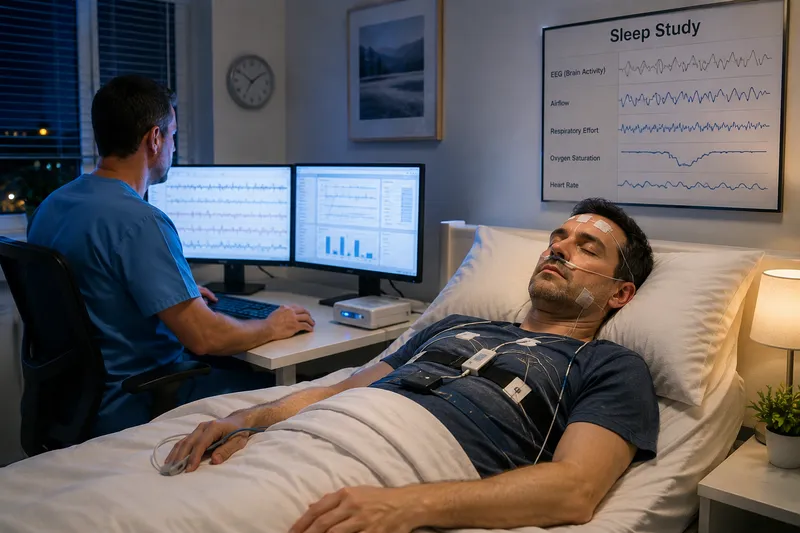
The diagnostic pathway begins with a specialist consultation and a review of symptoms, medical history and any previous investigations. If required, further sleep assessment may be recommended.
Depending on the individual case, this may include overnight sleep monitoring to evaluate breathing, oxygen levels and sleep quality. These results help the specialist determine whether obstructive sleep apnoea is present and discuss the most appropriate treatment options.
Every treatment plan is tailored individually following medical assessment.
Treatment
CPAP therapy and personalised treatment support
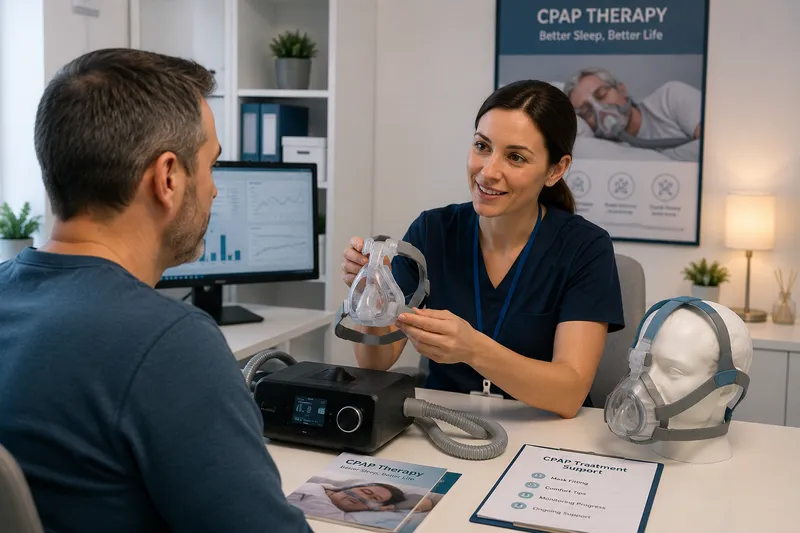
For many patients with obstructive sleep apnoea, Continuous Positive Airway Pressure (CPAP) therapy may be recommended. The treatment gently delivers pressurised air through a mask to help keep the airway open during sleep.
Specialists can provide guidance on mask fitting, equipment selection and treatment adjustments to help improve comfort and long-term therapy adherence.
Individual Assessment
Treatment recommendations are based on symptoms, examination findings and sleep study results.
CPAP Mask Fitting
Choosing the correct mask and ensuring a comfortable fit may improve long-term treatment success.
Therapy Adjustment
Pressure settings and treatment can be reviewed and adjusted according to individual needs and clinical progress.
Ongoing Follow-up
Follow-up appointments allow specialists to monitor treatment progress and answer any questions during therapy.
Living with OSA
Why treatment may improve quality of life
When obstructive sleep apnoea is appropriately managed, many patients report improvements in sleep quality, daytime alertness and overall wellbeing. The response to treatment varies from person to person.
The treating specialist will explain expected outcomes, ongoing monitoring requirements and whether additional lifestyle changes or specialist referrals may be beneficial.

Important information about sleep apnoea treatment
Obstructive sleep apnoea can have different causes and different levels of severity. Some patients may benefit from CPAP therapy, while others may require additional specialist assessment, lifestyle changes or further medical review.
The final diagnosis and treatment plan are always confirmed by the treating specialist after consultation and, where required, diagnostic testing.
Would you like to ask about sleep apnoea assessment?
Contact MedTrip Poland and we will help you explore private consultation and treatment options for obstructive sleep apnoea through selected private clinic partners in Poland.
contact@medtrippoland.ie

