
The procedure
A smaller, sleeve-shaped stomach
During surgery, approximately 70–80% of the stomach is removed, leaving a narrow, tube-shaped section.
The remaining stomach resembles a sleeve, which is where the procedure gets its name.
Sleeve gastrectomy is a minimally invasive weight-loss procedure designed to reduce stomach capacity, support appetite control and help suitable patients achieve meaningful, long-term weight loss.
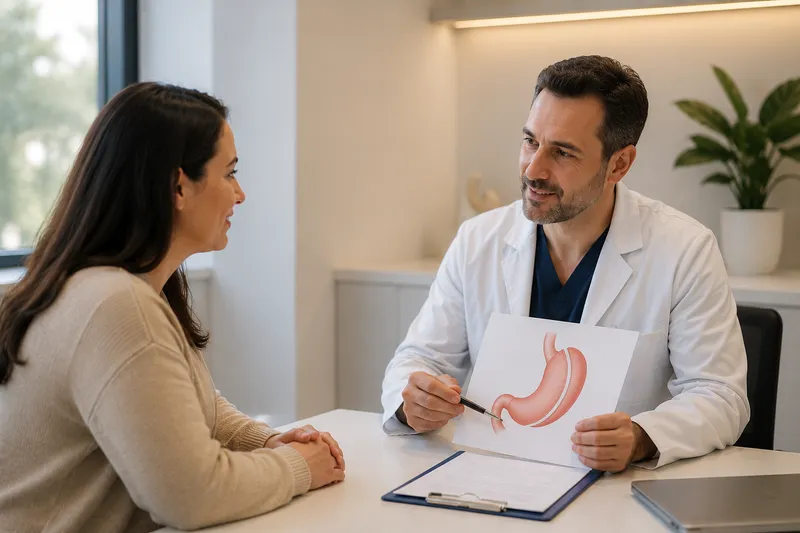
Sleeve gastrectomy, also known as gastric sleeve surgery, is a bariatric procedure designed to help suitable patients achieve substantial and lasting weight loss.
It may be considered when previous attempts involving diet, physical activity or other non-surgical methods have not produced sustainable results.
During surgery, approximately 70–80% of the stomach is removed, leaving a narrow, tube-shaped section.
The remaining stomach resembles a sleeve, which is where the procedure gets its name.
Sleeve gastrectomy is normally carried out through several small abdominal incisions using specialist laparoscopic instruments.
This minimally invasive approach may support a shorter recovery period and less post-operative discomfort than traditional open surgery.
Unlike gastric bypass surgery, sleeve gastrectomy does not usually change the normal route food takes through the intestines.
Digestion continues through the existing pathway, although lifelong nutritional guidance and medical follow-up remain important.
The reduced stomach capacity helps patients eat smaller meals and feel satisfied sooner. The procedure may also influence hormones involved in hunger and appetite regulation.
Sleeve gastrectomy supports weight loss through a combination of reduced stomach capacity and changes to the signals involved in hunger, appetite and fullness.
The surgeon removes approximately 70–80% of the stomach, leaving a smaller, narrow sleeve-shaped section.
The new stomach has a lower capacity, helping patients feel comfortably full after eating significantly smaller meals.
Removing part of the stomach may reduce the production of ghrelin, a hormone associated with hunger and appetite.
Surgery works alongside nutritional guidance, physical activity and long-term lifestyle changes to support sustainable results.
Sleeve gastrectomy does more than simply reduce the amount of food the stomach can hold. It may also affect appetite-related hormones, helping some patients experience less hunger and earlier fullness.
Results vary between patients, and successful long-term weight management still depends on following the recommended dietary, medical and lifestyle plan.
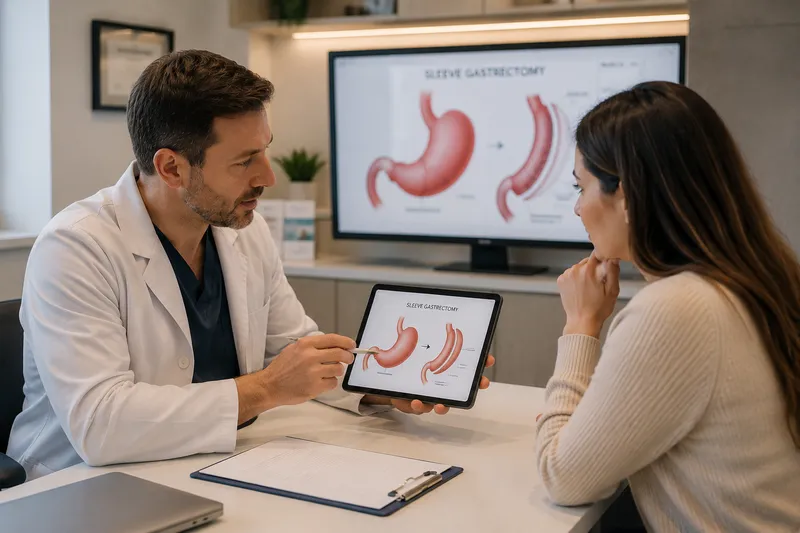
Sleeve gastrectomy may offer suitable patients a powerful tool for weight management, but the best outcomes usually come from combining surgery with nutrition, movement and long-term medical support.
By reducing stomach capacity and supporting earlier fullness, sleeve gastrectomy can help suitable patients achieve significant weight loss over time.
Individual results vary and depend on factors such as starting weight, general health, dietary habits, activity levels and adherence to the recommended follow-up plan.
The procedure reduces the amount of food the stomach can hold and may influence hormones involved in appetite regulation.
This can help some patients feel satisfied sooner and make healthier portion sizes easier to maintain as part of a structured long-term plan.
For some suitable patients, significant weight loss following sleeve gastrectomy may contribute to improvements in health conditions associated with obesity, including type 2 diabetes, high blood pressure, obstructive sleep apnoea and joint pain.
Improvements vary between individuals and ongoing medical follow-up remains an essential part of long-term care.
Many patients report improvements in daily activities, physical comfort and overall quality of life after successful weight loss. Increased mobility can also make regular exercise easier and support long-term weight management.
Sleeve gastrectomy should be viewed as one part of a wider, lifelong commitment to healthier eating habits and lifestyle change.


Most sleeve gastrectomy procedures are performed laparoscopically, which may support a shorter recovery compared with traditional open surgery. Patients are encouraged to follow the advice of their consultant regarding activity, nutrition and follow-up appointments.
Many patients stay in hospital for one or two nights, depending on individual recovery and medical advice.
Food is gradually reintroduced, beginning with liquids before progressing to soft foods and eventually a balanced long-term diet.
Gentle walking is usually encouraged early after surgery, with activity increasing gradually under professional guidance.
Regular appointments help monitor weight loss, nutrition, vitamin intake and overall progress during recovery.
Suitability is assessed individually following a detailed medical consultation. Your bariatric specialist will review your health, medical history, BMI and previous attempts at weight management before recommending the most appropriate treatment.
Body Mass Index is one of several factors considered when determining whether bariatric surgery may be appropriate.
Existing health conditions, previous treatments and current medications are reviewed before surgery is recommended.
Successful long-term outcomes require commitment to healthy nutrition, physical activity and regular medical follow-up.
Every patient receives an individual assessment to identify the safest and most appropriate treatment plan.


